Dismantling the Burdens of Guilt with Galatians 3:13

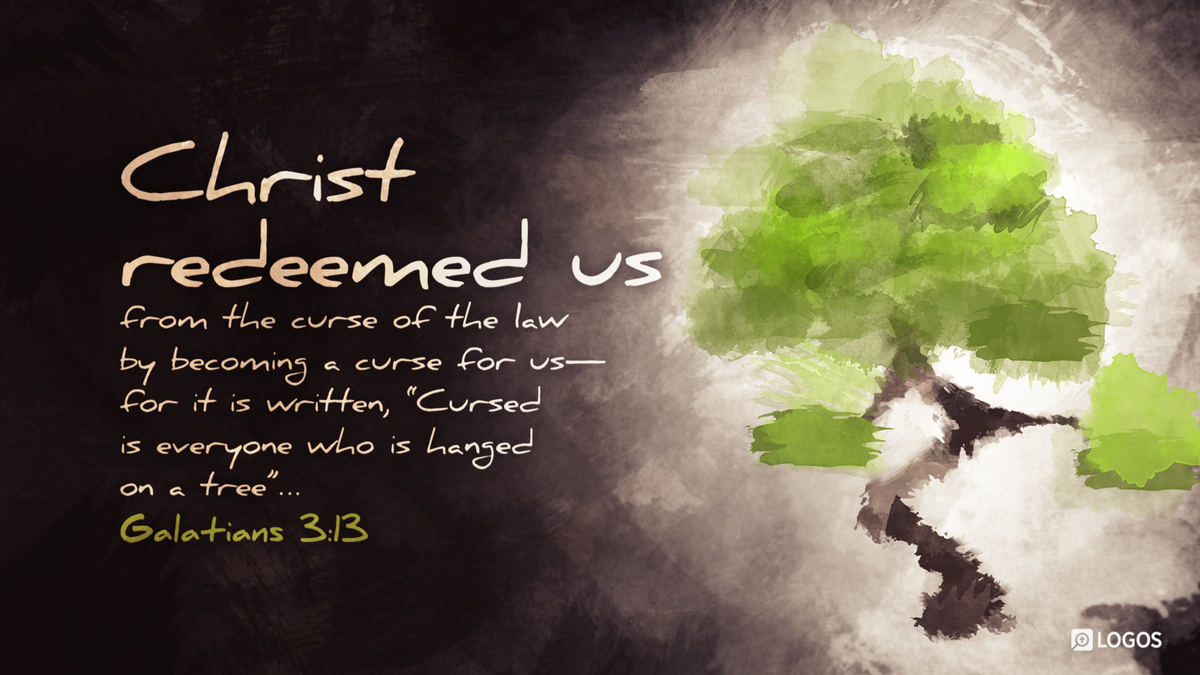
Do you ever feel burdened by expectations—either your own or those placed upon you by others? In a culture that often equates worth with performance, it's easy to get caught in a cycle of striving and still feel like it's never enough. The early Christians in Galatia faced a similar struggle, wrestling with the pressures of legalistic demands versus the liberating truth of the gospel. In Galatians 3:13, the Apostle Paul delivers a message transcending time, offering us profound insight into God's character and a path to genuine freedom. Let's explore how this pivotal verse speaks to us today, revealing the depth of God's love and the practical difference it can make in our daily lives.
Context of Galatians 3:13
To fully appreciate Galatians 3:13, exploring the historical and theological backdrop of Paul's letter to the Galatians is important. The churches in Galatia were facing a significant challenge: after Paul had preached the gospel of grace through faith in Jesus Christ, a group known as the Judaizers began influencing the believers. These Judaizers taught that Gentile Christians needed to adhere to the Jewish Law—especially practices like circumcision—to be truly saved. This teaching was causing confusion and leading the Galatian Christians away from the foundational truth of the gospel.
Paul wrote this letter urgently to counter this false teaching and reaffirm the doctrine of justification by faith alone. In Galatians 3, he uses Abraham as an example, showing that Abraham was declared righteous because of his faith, not because of the law, which was given centuries later (Galatians 3:6-9). Paul emphasizes that the law serves to reveal sin and that no one can fulfill it perfectly. Consequently, those who rely on the works of the law are under a curse because they cannot keep it entirely (Galatians 3:10).
In this context, Galatians 3:13 becomes a pivotal statement: "Christ redeemed us from the curse of the law by becoming a curse for us—for it is written, 'Cursed is everyone who is hanged on a tree.'" Here, Paul references Deuteronomy 21:23 to illustrate that Jesus took upon Himself the curse that we deserved due to our inability to keep the law. By being crucified ("hanged on a tree"), Jesus became a curse in our place, satisfying the law's demands and God's justice. This substitutionary atonement means that believers are redeemed from the law's curse and justified before God through faith in Christ.
Understanding this passage within its historical and scriptural context highlights the gospel's central message: salvation is a gift of grace through faith in Jesus Christ, not a result of adhering to the law. For the original audience, this was a call to abandon legalistic practices that nullified God's grace. For us today, it serves as a powerful reminder to trust wholly in Christ's finished work for our redemption.
What Galatians 3:13 Reveals About God
Today's verse offers deep insights into God's character and actions toward humanity. Firstly, it highlights God's incredible love and grace. Despite humanity's inability to uphold the law and the resulting curse of sin, God provides a solution through His Son, Jesus Christ. Rather than leaving us to face the consequences of our shortcomings, God intervenes by sending Jesus to redeem us. This act demonstrates sacrificial and unconditional love, showcasing God's desire for a restored relationship with us.
Secondly, the verse underscores God's justice and holiness. The "curse of the law" refers to the rightful judgment and consequences that come from failing to keep God's commandments perfectly. God's law reflects His holy character, and He cannot simply overlook sin without compromising His justice. By having Christ "become a curse for us," God upholds the demands of justice while extending mercy. Jesus takes upon Himself the penalty that we deserve, satisfying the requirements of the law. This reveals a God who is both just and the justifier (Romans 3:26), maintaining His righteousness while providing a way for us to be reconciled to Him.
Furthermore, Galatians 3:13 shows God's sovereignty in orchestrating redemption. The reference to "everyone who is hanged on a tree" connects Jesus' crucifixion to Old Testament prophecy (Deuteronomy 21:23), indicating that God's plan for salvation was established long before it unfolded in history. This demonstrates that God is in control, working through events and even human actions to fulfill His redemptive purposes. It reassures us that nothing happens outside of God's knowledge or plan, and He can use even the most tragic circumstances to bring about His glory and our good.
This verse encapsulates the gospel message and reveals God's multifaceted character—His love, justice, mercy, and sovereignty. It invites us to marvel at the lengths to which God has gone to redeem us and to respond with faith and gratitude for the gift of salvation through Jesus Christ.
Applying Galatians 3:13 to Our Lives Today
Galatians 3:13 offers profound implications for Christians navigating the complexities of modern life. At its heart, the verse declares that Christ has redeemed us from the curse of the law by becoming a curse for us. This truth is not just a theological concept; it's a transformative reality that affects our daily lives.
Firstly, this verse reassures us of our complete redemption in Christ. Many believers struggle with guilt or a sense that they must earn God's favor through good works. Galatians 3:13 dismantles this notion by emphasizing that Jesus has already taken upon Himself the curse that was rightfully ours due to sin and the inability to keep the law perfectly. This means we are no longer under condemnation (Romans 8:1). Understanding this frees us from the bondage of legalism and the pressure to strive for perfection in our strength.
Secondly, recognizing that Christ became a curse for us cultivates deep gratitude and humility. When we grasp the extent of Jesus' sacrifice—that He willingly endured the curse and the cross for our sake—it moves us to worship and heartfelt response of love. This gratitude should overflow into every area of our lives, influencing how we interact with others and approach challenges and trials.
Moreover, this passage invites us to live in the freedom that Christ has secured. Freedom, however, is not an excuse for indulging in sinful desires but an empowerment to live righteously out of love for God (Galatians 5:13). It shifts our motivation from trying to earn God's favor to responding to His grace with obedience and service. This freedom also breaks down barriers of division, uniting believers as one in Christ regardless of cultural, social, or ethnic backgrounds (Galatians 3:28).
Lastly, Galatians 3:13 challenges us to rely wholly on Christ's finished work rather than our efforts. This can be counterintuitive in a world that often values self-reliance and personal achievement. Yet, embracing this truth brings peace and rest to our souls. It encourages us to trust God's provision and guidance, knowing He has already met our greatest need through Jesus.
Practically, this means reminding ourselves of the gospel daily, allowing it to shape our identity and actions. It involves letting go of guilt and shame, forgiving others as we've been forgiven, and walking in the confidence that comes from being redeemed children of God. By internalizing the message of Galatians 3:13, we align our lives with the reality of God's grace, leading to transformation in ourselves and the world around us.
Galatians 3:13 is not just an ancient text; it's a living word that resonates with our deepest needs and longings. It reassures us that we are redeemed—not by our efforts or adherence to a set of rules—but by the sacrificial love of Jesus Christ, who became a curse for us. This truth dismantles the burdens of guilt and the illusion that we must earn God's favor. Instead, it invites us into a restful assurance of His grace.
As we internalize this message, we're encouraged to shift our focus from self-reliance to Christ-dependence. This shift transforms how we see ourselves and others, fostering a spirit of gratitude, humility, and unity. In a world desperate for hope and authenticity, living out the reality of our redemption becomes a powerful testimony. Let's commit to embracing this freedom daily, allowing it to influence our choices, relationships, and how we engage with the world. By doing so, we honor what Christ has done for us and become conduits of His grace to others.