Embracing Our Role as Imitators of God: A Journey Through Ephesians 5:1 - VOTD

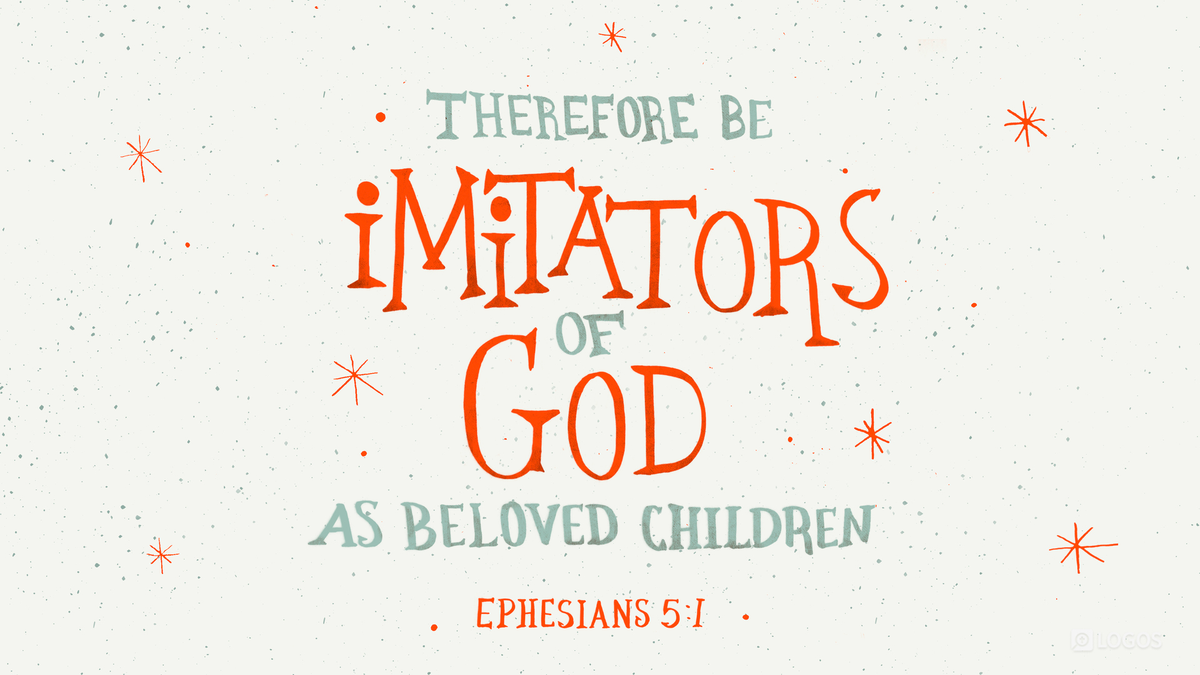
In the heart of Ephesians 5:1 lies a simple yet profound call for believers: "Therefore be imitators of God, as beloved children." This verse, while concise, is rich in meaning and application.
Understanding Ephesians 5:1
To fully grasp the essence of this verse, we need to look at its immediate context and wider biblical setting. Paul's letter to the Ephesians is a treasure trove of theological depth and practical advice. Before this verse, he talks about forgiveness and love as Christ forgave us. This sets the stage for our verse: our imitation of God is rooted in the character of God as revealed in Christ.
The term "imitators" here is critical. It's not about a superficial mimicry but a deeper, heartfelt emulation of God's character. We are called not merely to act like God but to embody His virtues in our everyday lives.
The Study Bible Perspective
The ESV Study Bible provides a profound insight into Ephesians 5:1, emphasizing that our journey of imitating God is deeply intertwined with our identity as His beloved children. This perspective is crucial, especially in a world where achievements and works are often seen as the benchmarks of identity and worth. The biblical truth here is liberating: our call to imitate God does not stem from a place of trying to earn our way to salvation or His favor. Instead, it is a natural expression of our relationship with Him, a relationship in which we are already entirely accepted and deeply loved.
This understanding is transformative. When we grasp that we are God's beloved children, our efforts to emulate His character are not about striving for acceptance but responding to the love we have already received. It's akin to a child naturally picking up traits from their parents out of love and familiarity, not out of a need to prove their place in the family.
R. C. Sproul, in The Reformation Study Bible, adds another layer to our understanding. He points out that our motivation for imitating God is anchored in our comprehension of His love and our secure place in His family. This is a vital aspect of Christian living. Knowing our secure position as God's children empowers us to live out the Christian virtues of love, kindness, and forgiveness, not as burdensome duties but as joyful expressions of our identity.
Sproul's commentary invites us to reflect on the nature of God's love: it is unconditional, sacrificial, and enduring. This love was demonstrated supremely in the sacrifice of Jesus Christ. As we understand the depth and breadth of this love, our lives naturally mirror the One who has loved us so profoundly. This isn't about legalistic adherence to rules but about a heart transformation that leads to a life that glorifies God.
In practical terms, understanding these insights means approaching our Christian walk with freedom and joy. We are not burdened by the fear of failing to earn God's love but are motivated by the knowledge that we already receive the greatest love. Our imitation of God, therefore, becomes a journey of gratitude, where each act of kindness, each moment of forgiveness, and every gesture of love is a reflection of our Father's heart.
In a broader sense, this understanding shapes our interactions with others. Recognizing that we are God's beloved, we learn to view others through the same lens, treating them not based on their merits but in light of the grace we have received. This leads to a community rooted in grace, reflecting the very heart of God in our broken world.
Modern Application
In a contemporary setting, living as imitators of God, as instructed in Ephesians 5:1, translates into a daily commitment to exemplify Christ-like virtues. This is particularly challenging in a society often driven by self-interest and competitiveness. Yet, in this environment, the luminous contrast of Godly love, forgiveness, and grace can shine brightest.
- In Personal Relationships: Choose to love unconditionally, as Christ loves us. This means loving others not based on their actions or what they can offer us but because they are creations of God, worthy of love and respect. This is often inflated with a winsome concept of being passive or a doormat; to be clear, that is not the call. Stand for truth, but stand with love.
- In Conflict Situations: Offer forgiveness readily, even when it's undeserved. Forgiveness isn't a sign of weakness but a powerful declaration of God's grace. Remember, forgiveness is as much for our liberation as for others.
- In Daily Interactions: Extend grace in situations where judgment seems easier. This could mean giving someone the benefit of the doubt, being patient with someone's shortcomings, or offering help without expecting anything in return.
- In Social Media Engagement: Practice kindness and understanding in online interactions. The anonymity of the digital world often leads to harsh judgment and criticism. As believers, we're called to bring light to these spaces, encouraging and uplifting others.
- In Responding to Injustice: While anger towards injustice is natural, we are called to channel this emotion constructively. This means advocating for change, supporting the oppressed with a spirit of mercy, and focusing on restoration rather than retaliation.
- In Professional Environments: In the workplace, embodying humility can manifest as giving credit to others, being open to feedback, and putting the team's goals above personal ambitions.
- In Leadership Roles: In the church, community, or workplace, lead by serving. This servant leadership, modeled by Jesus, focuses on empowering and uplifting others rather than seeking power or control.
- In Volunteering and Service: Engage in acts of service not just as a duty but as a reflection of God's love. This could be through volunteering at local shelters, participating in community projects, or helping a needy neighbor.
Living as imitators of God in today's context is about infusing our everyday lives with the essence of God's character. It's about making choices that reflect His love, forgiveness, and grace in every sphere of our lives. This isn't just a private spiritual endeavor but a public, visible manifestation of our faith. By embodying these virtues, we become living testimonies of God's transformative power, impacting our families, workplaces, and communities for the better.
Conclusion
Ephesians 5:1 is a powerful reminder of our identity and calling as followers of Christ. We are beloved children of God, called to reflect His character in our lives. This is not a task we undertake in our strength but one that flows from a deep understanding of God's love for us and our relationship with Him. As we go about our daily lives, let us embrace this high calling with joy and commitment, knowing that in doing so, we bring glory to our Heavenly Father and light to a world in need.