Exodus 32:33 - God's Justice and Mercy Explained

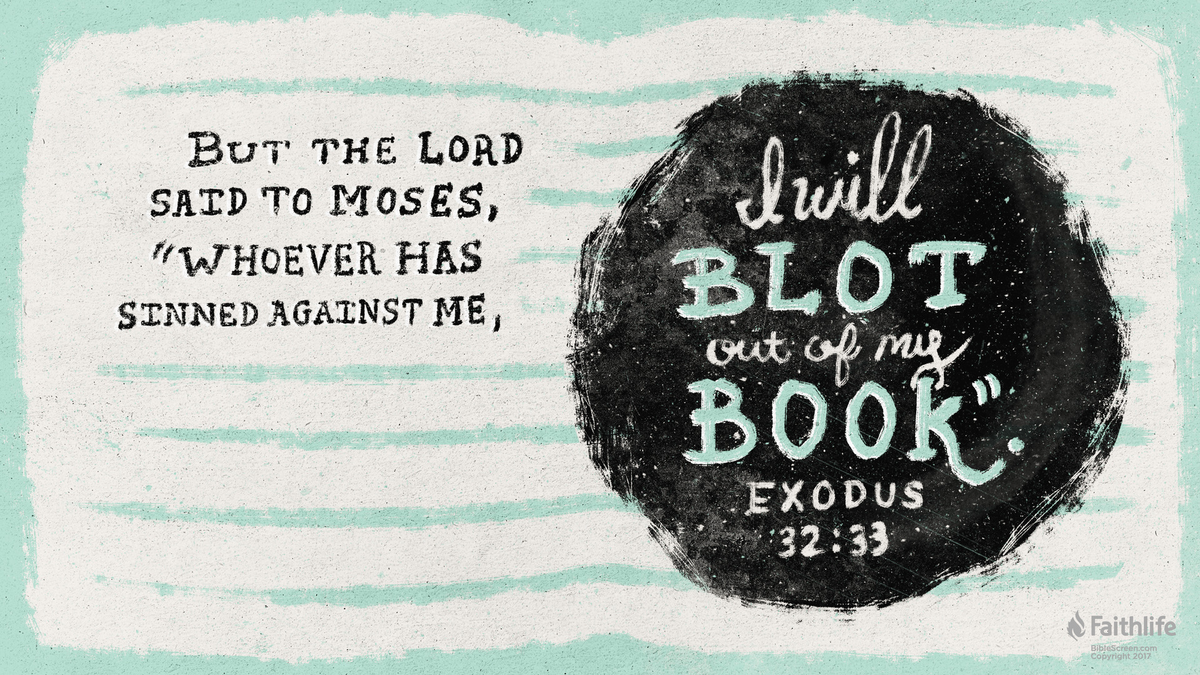
In a world that often downplays personal responsibility, it's crucial to revisit the timeless truths found in Scripture. Exodus 32:33 says, "But the Lord said to Moses, 'Whoever has sinned against me, I will blot out of my book.'" This verse might seem daunting, but it holds deep insights into God's character and offers valuable lessons for our lives today.
In this blog post, we'll dig into the context of this powerful verse, exploring the events surrounding the Israelites' golden calf incident and Moses' intercession on their behalf. We'll uncover what this passage reveals about God's justice, holiness, and mercy. Most importantly, we'll discuss how these ancient words apply to the modern world, guiding us toward personal accountability and a deeper relationship with God through Jesus Christ.
Understanding the Context of Exodus 32:33
Again, Exodus 32:33 states, "But the Lord said to Moses, 'Whoever has sinned against me, I will blot out of my book.'" To fully appreciate the weight of this verse, we need to explore its surrounding events in the broader narrative of Exodus.
At this point in the story, the Israelites have recently been delivered from slavery in Egypt by God's mighty hand. They are camped at the base of Mount Sinai, where Moses has ascended to receive the Law from God, which takes forty days and nights. During Moses' absence, the people grow restless and uncertain. Fearing that Moses may not return, they approach Aaron, Moses' brother and second-in-command, with a troubling request: "Make us gods who shall go before us" (Exodus 32:1).
Yielding to their demands, Aaron collects gold from the people and fashions a golden calf. The Israelites then proclaim, "These are your gods, O Israel, who brought you up out of the land of Egypt!" (Exodus 32:4). This act is a blatant violation of the first two commandments, which prohibit the worship of other gods and the making of idols (Exodus 20:3-4). The people indulge in festivity, turning away from the God who rescued them.
Moses' Intercession
Moses descends from the mountain and witnesses their idolatry. In his anger, he throws down the tablets inscribed with the Ten Commandments, shattering them—a symbolic act showing that Israel has broken their covenant with God. Moses confronts Aaron and the people, calling them to account for their sins.
Understanding the severity of the situation, Moses returns to the Lord to intercede on behalf of the Israelites. He acknowledges their great sin and pleads for their forgiveness. In a profound expression of self-sacrifice, Moses says, "But now, if you will forgive their sin—but if not, please blot me out of your book that you have written" (Exodus 32:32). Moses is willing to forfeit his own standing with God for the sake of the people.
God's Response and Justice
In Exodus 32:33, God replies to Moses, emphasizing personal responsibility: "Whoever has sinned against me, I will blot out of my book." God makes it clear that each person is accountable for their own actions. Moses cannot atone for the people's sins by sacrificing himself. This underscores the holiness of God and the seriousness with which He regards sin.
The "book" mentioned is often understood as the Book of Life—a record of those in the right relationship with God. To be blotted out signifies severe judgment and separation from God's covenant blessings for eternity.
Implications for the Israelites
This episode serves as a critical lesson for the Israelites about the consequences of disobedience. Despite witnessing God's miracles firsthand—the plagues in Egypt, the parting of the Red Sea, the provision of manna—they quickly turn to idolatry when faced with uncertainty. God's response balances justice with mercy. While He holds the sinners accountable, He does not destroy the entire nation. Instead, He continues to lead them toward the Promised Land, reaffirming His covenant promises.
Reflection
Understanding the context of Exodus 32:33 highlights the gravity of turning away from God and the importance of personal accountability. It also foreshadows the need for a perfect mediator between God and humanity—a role ultimately fulfilled in Jesus Christ. Unlike Moses, who could not take on the sins of the people, Jesus offered Himself as the perfect sacrifice, bearing the sins of many and providing a way for reconciliation with God.
Examining this passage reminds us of God's unyielding holiness, His righteous judgment, and His enduring mercy. It calls us to reflect on our own lives, recognize the seriousness of sin, and embrace the grace offered through faith in Christ.
Personal Application
Understanding this verse helps us recognize the seriousness with which God views sin and the importance of personal accountability. It calls us to self-examination and repentance, acknowledging that we cannot rely on others to make us right with God. Instead, we are invited to accept the grace offered through Jesus Christ, who bridges the gap our sin has created.
In essence, Exodus 32:33 reveals a just, holy, and merciful God. He demands righteousness but provides the means to attain it through faith in Christ. This understanding encourages us to approach God with humility and reverence, to confess our sins, and to embrace the forgiveness and new life He offers. It is a powerful reminder of the depth of God's character and His unwavering commitment to justice and mercy in His relationship with us.
Applying Exodus 32:33 to Our Lives Today
Though rooted in an ancient context, Exodus 32:33 contains timeless truths that are highly relevant to Christians today. This passage tells us that sin is not a trivial matter to God. In our modern culture, it's easy to downplay or rationalize sin, viewing specific actions as mere mistakes or societal norms. However, God's response to the Israelites' idolatry underscores that sin is a direct offense against His holy nature. For us today, this means we must take sin seriously in our own lives. It's a call to self-examination, prompting us to consider areas where we may have allowed complacency or compromise to creep in.
Personal Accountability Before God
God's declaration, "Whoever has sinned against me, I will blot out of my book," emphasizes individual responsibility. Each person is accountable to God for their actions. We cannot rely on the righteousness of others—be it family, church leaders, or traditions—to cover our sins. In an age where collective identity often overshadows personal responsibility, this verse calls us back to the understanding that our relationship with God is personal. It challenges us to face our shortcomings and earnestly seek God's forgiveness.
The Limitations of Human Mediators
In his compassion, Moses offered to be blotted out of God's book in place of the people. Yet, God clarifies that Moses cannot atone for their sins. This highlights the limitations of even the most faithful human mediators. For Christians, this points us to the sufficiency of Jesus Christ as our perfect mediator. Unlike Moses, Jesus is without sin and capable of bearing the total weight of humanity's sins. Hebrews 9:15 affirms, "Therefore he is the mediator of a new covenant, so that those who are called may receive the promised eternal inheritance." This passage invites us to place our trust wholly in Christ for salvation.
Living in Covenant Faithfulness
Finally, this passage encourages us to live faithfully within our covenant relationship with God through Christ. Just as the Israelites were called to uphold their covenant with God, we obey His Word. This doesn't imply perfection but a sincere commitment to follow Him, relying on the Holy Spirit for guidance and strength.
By applying the truths of Exodus 32:33 to our lives, we deepen our understanding of God's character and our relationship with Him. It moves us to live authentically before God, appreciating the immense grace we've received through Christ and inspires us to walk faithfully in His ways.
Unlike Moses, who could not atone for the people's sins, Jesus offered Himself as the ultimate sacrifice, bridging the gap between humanity and God.
As we reflect on this passage, let's take practical steps to apply its truths to our lives:
- Reflect and Repent: Regularly examine your heart and confess sins to God, embracing His forgiveness.
- Trust in Christ Alone: Rely on Jesus as your mediator and the source of your righteousness rather than on personal merits.
- Pursue Holiness: Commit to living and obeying God's Word, empowered by the Holy Spirit.
- Extend Grace: Just as you've received mercy, be willing to forgive and support others on their spiritual journeys.
By acknowledging the seriousness with which God views sin and embracing His grace through faith in Christ, we can experience a transformative relationship with Him. Let this understanding inspire us to walk faithfully, uphold personal accountability, and share God's love and mercy with those around us.