Finding Joy in Spiritual Desolation through Isaiah

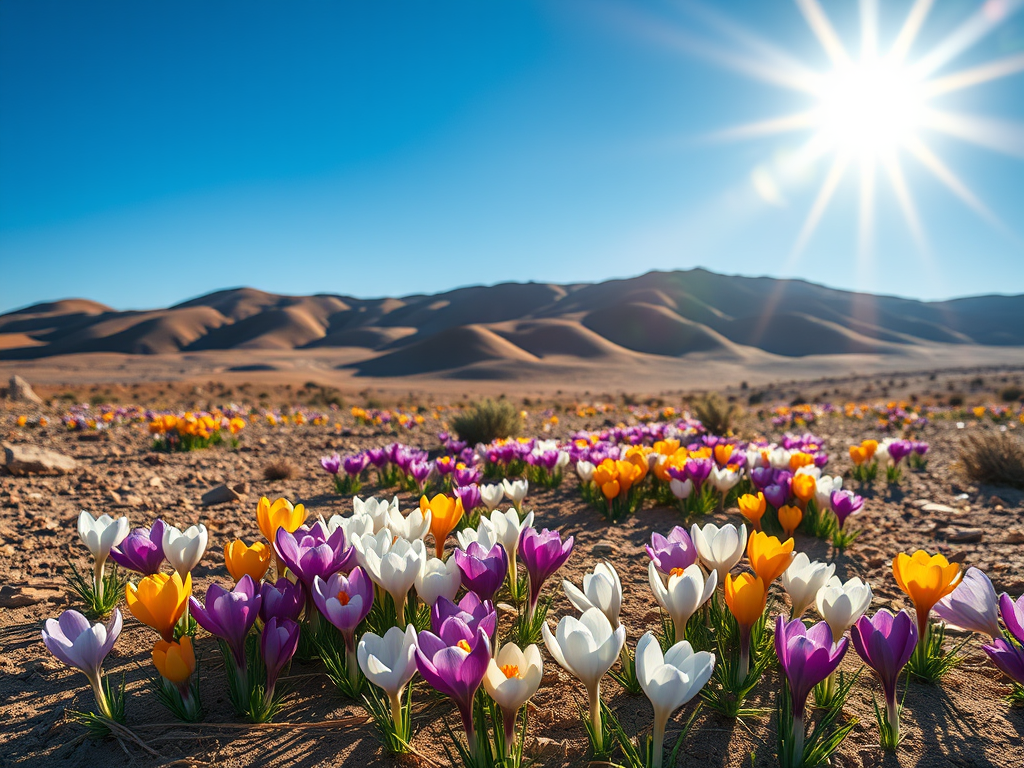
Picture this: a barren desert bursting into bloom, lifeless sand replaced by vibrant crocuses, and the dry wilderness erupting in joy and song. This breathtaking transformation captures the heart of Isaiah 35:1–2—a passage brimming with hope and redemption.
This post will explore St. Jerome's reflection on these verses, uncovering their theological richness and relevance for Christians today. Set against the backdrop of Isaiah's themes of judgment and restoration, this prophecy promises renewal for Israel and a broader vision of God's redemptive work in the world. Through Jerome's insights, we'll see how this vision points to the church's flourishing and the revealing of God's glory in Christ. [efn_note]St. Jerome, St. Jerome: Commentary on Isaiah: Including St. Jerome's Translation of Origen's Homilies 1–9 on Isaiah, trans. Thomas P. Scheck, vol. 68, Ancient Christian Writers (New York; Mahwah, NJ: The Newman Press, 2015), 501–502[/efn_note]
The Desert Transformed
Isaiah 35:1-2 begins with a striking promise: "The wilderness and the dry land shall be glad; the desert shall rejoice and blossom like the crocus." Drawing from the Septuagint, Jerome emphasizes the transformation of barrenness into abundance—a metaphor for God's redemptive power.
In Jerome's interpretation, the "desert" represents spiritual desolation, a condition familiar to those distant from God. Just as the desert bursts into bloom, so too can God bring life to the driest parts of our souls. This image offers profound comfort: no matter how desolate our spiritual lives may feel, God's Word can renew and refresh us, just as rain revives the parched ground.
Judgment and Redemption
Isaiah 34 paints a vivid picture of judgment, with desolation spreading across the land—a scene Jerome ties to the judgment upon Jerusalem. Jerome connects to Matthew 23:38, where Jesus laments, "Your house is left desolate." This desolation reflects the consequences of sin and rebellion against God.
Yet Isaiah 35 offers a striking contrast: the same God who judges also redeems. Jerome sees the desert as a symbol of the Gentile nations, once spiritually barren but flourishing under God's grace. This transformation points to the gospel's power to bring life and joy to all who believe.
Flourishing Like the Lily
Jerome sees the blossoming crocus as a symbol of the church, flourishing under Christ's care. He ties this imagery to 2 Corinthians 2:15, where Paul describes believers as "the aroma of Christ to God," and to the Song of Songs, where the beloved is likened to a lily. This flourishing represents the spiritual growth and beauty of abiding in God's love.
Baptism in the Jordan
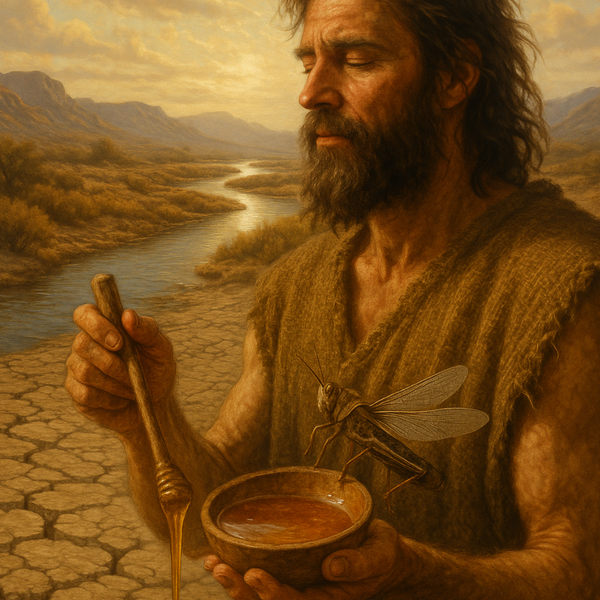
Jerome also connects the desert's transformation to John the Baptist's ministry in the Jordan. Just as baptism symbolizes death to sin and new life in Christ, the barren wilderness becomes fertile ground through the waters of God's grace.
The Glory of Libanus, Carmel, and Sharon
Isaiah 35:2 promises, "The glory of Lebanon shall be given to it, the majesty of Carmel and Sharon." Jerome interprets these places—Libanus (Lebanon), Carmel, and Sharon—as symbols of beauty and abundance now bestowed upon the church.
The glory once reserved for Israel is now shared with the Gentile nations, reflecting God's plan to extend His covenant blessings to all people. Like the wilderness, the deserted church receives worship and radiance, pointing to Christ as the fulfillment of these promises.
Seeing the Glory of God
Isaiah 35:2 concludes with the ultimate promise: "They shall see the glory of the LORD, the majesty of our God." Jerome reminds us that this is the heart of all restoration—God's glory revealed to His people.
This vision challenges us to look for glimpses of God's glory in our lives and the church's life. Whether in moments of worship, acts of love, or quiet reflections on Scripture, we are invited to behold His majesty and be transformed by it.
Joy in the Desert
Isaiah 35:1–2 paints a stunning picture of transformation: desolation turned to rejoicing, barrenness replaced with abundance, all pointing to God's glory. Through Jerome's reflections, we see this prophecy as more than a historical promise—it's a vision of hope and renewal for the church and every believer.
Let this passage encourage you to trust in God's power to bring life to your deserts, to rejoice in His glory revealed through Christ, and to live as a witness to His transforming grace. As Isaiah proclaims, "The wilderness and the dry land shall be glad… They shall see the glory of the LORD, the majesty of our God." May we, too, see His glory and find joy in His presence.