God's Faithfulness in our Weakness: Exploring Psalm 71:9

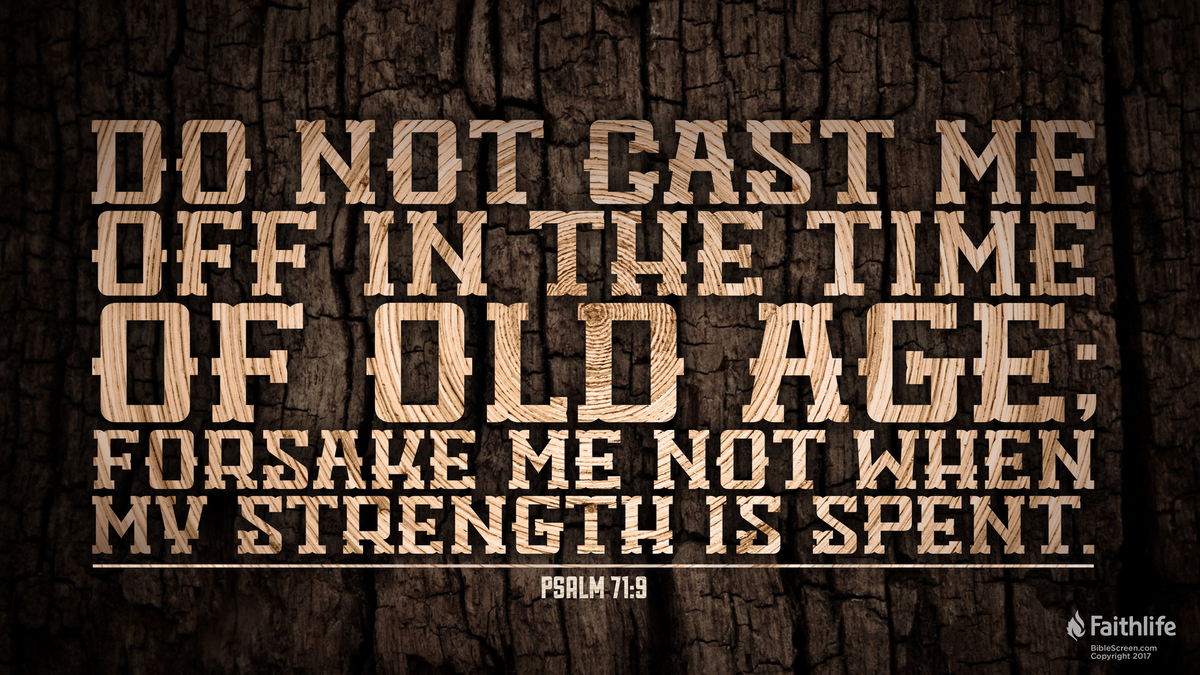
Life brings seasons of strength and vitality but also seasons of weakness, frailty, and change. Psalm 71:9 speaks directly to a mere human concern—the fear of being forgotten, especially in old age. As believers, we often feel vulnerable as our physical strength wanes, but this verse gives voice to a cry many of us can relate to: "Do not cast me off in the time of old age; forsake me not when my strength is spent." Whether we are entering such a season ourselves or caring for others who are, this plea to God offers us a profound reminder of His faithfulness, not just when we are strong, but especially when we are weak. Let's explore together what this passage reveals about God and how it applies to our daily walk with Him.
The Context
In Psalm 71:9, the psalmist cries, "Do not cast me off in the time of old age; forsake me not when my strength is spent." This verse is part of a more extensive prayer of lament and trust, likely written by David, as he reflects on his life and relationship with God. Having experienced God's faithfulness throughout his youth and into his older years, the psalmist now seeks reassurance that God will not abandon him in his old age when his physical strength is failing. The context of this plea is deeply rooted in the psalmist's personal experience with God, as he reflects on how God has been his steadfast refuge and protector from his earliest days (Psalm 71:5-6). Now, with the shadow of old age looming, he expresses his fear of being left vulnerable and defenseless in his weakest state.
Historically, Psalm 71 is categorized as an individual lament, a familiar genre in the Psalms where the author expresses a heartfelt cry to God for help in times of distress. In this case, the distress is not only physical weakness but also the fear of being abandoned in old age, when enemies might see an opportunity to strike. The psalmist's cry reflects the cultural understanding of aging in the ancient Near East, where the elderly were often seen as less capable and vulnerable. However, the psalmist also expresses confidence in God's continued faithfulness and sustenance, even as his body weakens. This prayer serves as a reminder that God's care for His people is not dependent on their physical strength or ability but on His unchanging character and covenant love.
About God
Psalm 71:9 gives us a deeply personal glimpse into God's nature, revealing His faithfulness and care for His people, particularly in their most vulnerable moments. The psalmist's cry expresses a deep reliance on God during a season of physical weakness and emotional frailty. This verse tells us that He is a God who remains near to His people, not just when they are strong, but especially when they are weak and dependent. The psalmist's plea reflects his understanding that God's presence is not conditional upon human strength or vitality but is rooted in God's unchanging faithfulness.
This verse also highlights God's compassion and enduring care for the aged and the weak. Unlike the world, which often values people based on their abilities, productivity, or youth, God remains close to His people regardless of their physical state. The psalmist's request for God's presence in old age speaks to the reality that our need for God grows, not diminishes, as we age and face life's challenges. In fact, this plea for God to remain close in old age is a testament to God's role as a lifelong protector, one who is concerned with the entirety of a person's life—from youth to old age. Christians can find immense comfort in this truth, knowing God's care is constant, even as their strength fades. This teaches us that God is not distant or detached in our moments of weakness, but He is our refuge and sustainer, always willing to draw near to us in our most vulnerable times.
Application
Psalm 71:9 reminds Christians today about the necessity of relying on God throughout all seasons of life, especially in times of weakness. In a world that often celebrates self-sufficiency and independence, this verse challenges believers to recognize that true strength and security come from God alone. Whether we are facing the struggles of aging, physical limitations, or moments when we feel spiritually drained, this verse calls us to humbly depend on God, knowing He will never abandon us. For the Christian, this means cultivating a daily posture of trust in God's sustaining grace, acknowledging that our worth and purpose do not diminish with our strength. It encourages us to turn to God in prayer, seeking His presence not only when we are full of energy and capability but even more so when we feel our weakness. This reliance on God allows us to experience His faithfulness more deeply, resting in the assurance that He will carry us through every stage of life.
Reflect on the truth that God's care and presence do not waver with your strength as you go about your day. Whether in a season of vigor or facing limitations, remember that God's faithfulness endures. He is a God who stands by His people, especially in their moments of vulnerability. Ask yourself today: In what areas of my life am I relying on my own strength? How can I lean more fully on God's unchanging love? Take this time to pray, asking for God's presence to be felt anew, trusting He will not forsake you, even when your strength is spent. Let this verse (and its context) be a reminder of His sustaining grace throughout all the stages of life.