The Fullness of God in Christ: A Key to Reconciliation and Peace

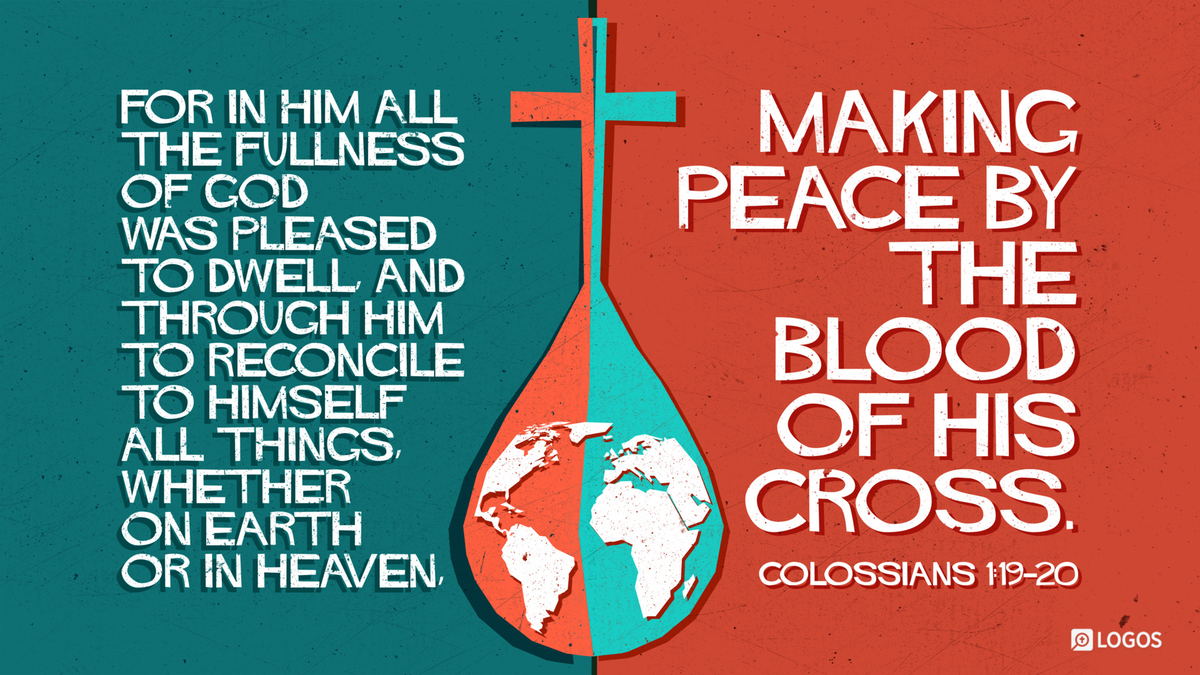
"For in him all the fullness of God was pleased to dwell, and through him to reconcile to himself all things, whether on earth or in heaven, making peace by the blood of his cross." (Colossians 1:19–20, ESV)
Colossians 1:19–20 is a profound passage that underscores Christ's preeminence. It reveals that all God's fullness dwells in Jesus, and through Him, God reconciles all things to Himself. This reconciliation brings peace, achieved through Christ's sacrificial blood on the cross.
Key Words and Themes:
- Fullness of God: This term highlights that Jesus is fully divine, embodying all aspects of God's nature.
- Reconciliation: Through Jesus, all things are reconciled to God, restoring the relationship between the Creator and His creation.
- Peace by the Blood of the Cross: The ultimate peace and reconciliation come through the sacrifice of Jesus.
Paul wrote this letter to the Colossians to address Christ's sufficiency and supremacy in all things. At the time, the church in Colossae faced various heresies that devalued Christ's divinity and redemptive work. Paul's letter aims to correct these errors by affirming Christ's divine nature and His role in creation and reconciliation. Paul the Apostle is the speaker, and he addresses the believers in Colossae, a city in the Lycus Valley of Asia Minor. This letter, sent to a Christian community, instructs, advises, and encourages them in their faith.
The broader theme of Colossians is Christ's preeminence and sufficiency. Paul emphasizes that believers are complete in Christ, who embodies all the fullness of the Godhead. This passage fits within the book's larger message, which seeks to strengthen the believers' faith and refute any teachings that diminish Christ's divinity and redemptive power.
What does this verse reveal about God's character or actions?
- God's Fullness in Christ: It shows that Jesus is fully divine, carrying the complete essence of God.
- God's Reconciliation through Christ: It reveals God's action in reconciling all things to Himself through Jesus, making peace through His sacrifice.
What principles or lessons can be derived from this verse?
- The Sufficiency of Christ: We see Christ as sufficient for our salvation and reconciliation with God.
- The Power of the Cross: The cross is the pivotal historical event that brings peace and reconciliation between God and humanity.
How would the original audience have understood this verse?
- Affirmation of Faith: The Colossians would have been encouraged to hold firm to their faith in Christ, understanding that He is fully divine and sufficient for their salvation.
- Correction of Heresies: They would also see this as a correction to any teachings that suggested otherwise, reinforcing the truth of the gospel.
Application:
Reflect on how this verse applies to your life in light of God's character and will. Consider how this verse challenges or encourages your faith, actions, or attitudes.
- Embrace the Fullness of Christ: Acknowledge that Jesus is fully divine and sufficient for your salvation. Let this truth deepen your faith and trust in Him.
- Live Reconciled Lives: Since we are reconciled to God through Christ, strive to live in peace and reconciliation with others, reflecting the grace you have received.
Practical Steps:
- Deepen Your Understanding: Spend time studying the attributes of Christ and His work on the cross, allowing these truths to strengthen your faith.
- Practice Reconciliation: Seek to reconcile with others, mirroring the peace and reconciliation you have received through Christ.
Prayer:
Heavenly Father, thank You for the fullness of Your presence in Jesus Christ. Thank You for reconciling us to Yourself through His sacrifice on the cross. Help us to embrace this truth fully and live lives that reflect Your peace and reconciliation. Guide us by Your Holy Spirit to share this message with others and to build bridges of peace in our communities. Amen.
Review and Reflect:
Take a few moments to review what you've learned from Colossians 1:19–20. Consider writing down the verse and reflecting on how to apply its truths daily. Let this verse inspire you to live in the fullness of Christ, embracing His sufficiency and sharing His peace with others.