Unveiling the Power of Humility: Lessons from Nebuchadnezzar in Daniel 4:37

Have you ever found yourself at the pinnacle of success only to realize something essential is missing? In a world that often celebrates self-made achievements and personal glory, it's easy to overlook the deeper truths that govern our lives. The story of King Nebuchadnezzar in Daniel 4:37 offers a compelling narrative of a powerful ruler who learns the hard way that true sovereignty belongs to someone far greater than himself. This ancient account is not just a historical footnote; it's a timeless lesson that speaks directly to our modern struggles with pride, purpose, and the pursuit of meaning.
In this blog post, we'll delve into the context of Daniel 4:37 to uncover how a mighty king came to praise and honor the "King of heaven." We'll explore what this passage reveals about God's character—His justice, mercy, and sovereign authority over all creation. Finally, we'll discuss how these insights apply to our daily lives, challenging us to examine our hearts and encouraging us to walk humbly with God. Whether familiar with this biblical story or encountering it for the first time, there's a powerful message here for everyone seeking to understand the intersection of human pride and divine sovereignty.
Understanding the Context of Daniel 4:37
Daniel 4:37 captures a pivotal moment in the life of King Nebuchadnezzar, the mighty ruler of the Babylonian Empire. This chapter is unique as it is narrated from Nebuchadnezzar's perspective, providing a personal testimony of his encounter with the sovereign God of heaven.
Earlier in the chapter, Nebuchadnezzar experiences a disturbing dream about a vast tree that reaches the heavens and is visible to the ends of the earth. This magnificent tree provides shelter and sustenance to all creatures. However, a divine messenger orders that the tree be cut down, leaving only the stump bound with iron and bronze. Deeply troubled, the King summons his wise men to interpret the dream, but they cannot. Finally, Daniel is called upon, and with God's wisdom, he reveals that the tree represents Nebuchadnezzar himself. The cutting down of the tree symbolizes the impending judgment due to the King's pride. Daniel advises Nebuchadnezzar to renounce his sins and practice righteousness to possibly avert this fate (Daniel 4:27).
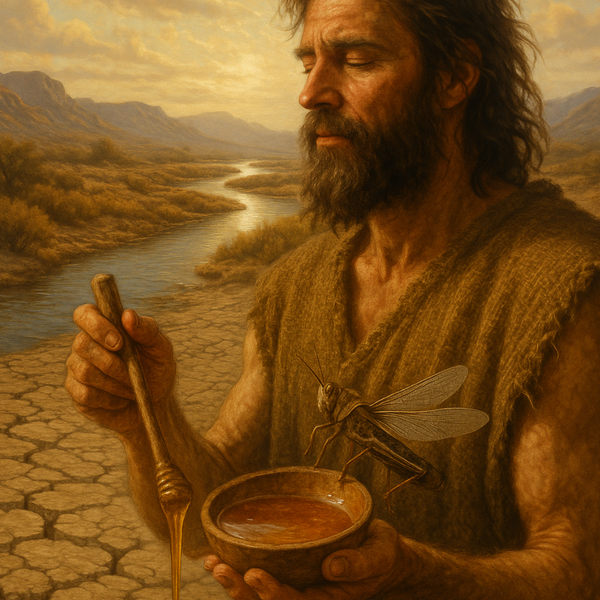
Despite the warning, Nebuchadnezzar's pride surfaces twelve months later as he marvels at his own accomplishments, saying, "Is not this great Babylon which I have built by my mighty power and for the glory of my majesty?" At that very moment, a voice from heaven declares that his royal authority is stripped away. Nebuchadnezzar is driven from human society and lives among the animals, eating grass like an ox. His hair grows like eagle feathers, and his nails like birds' claws—a vivid depiction of his humiliation. This period lasts "seven times," many scholars interpret as seven years.
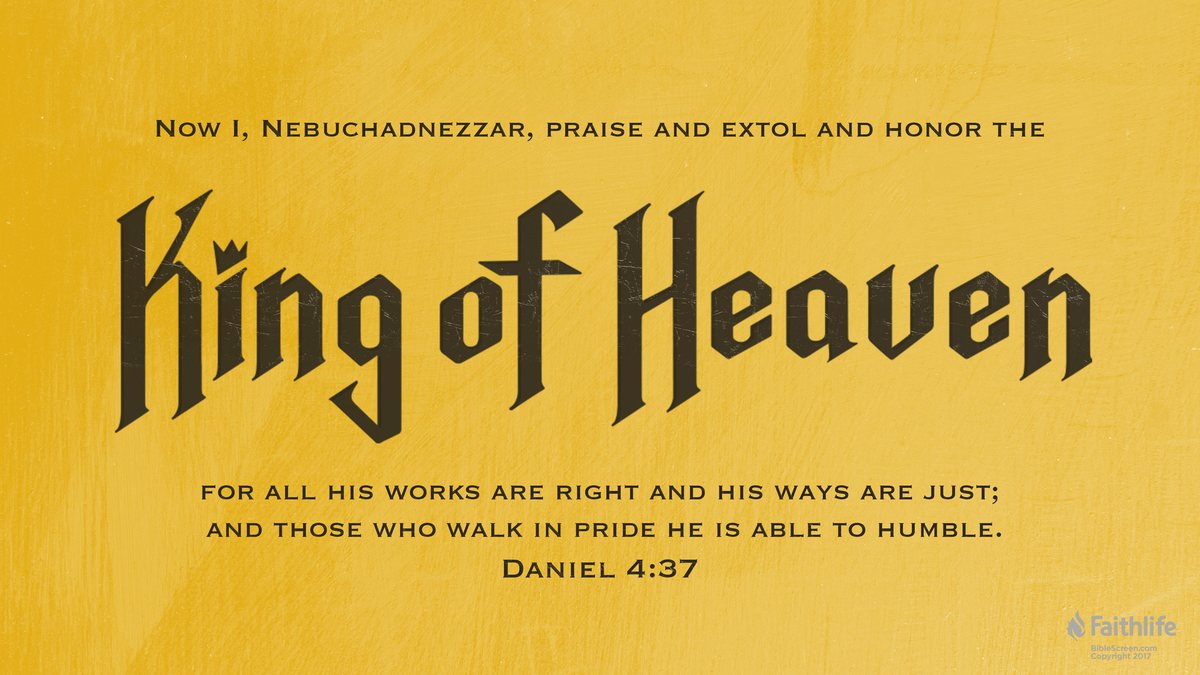
At the end of his humbling experience, Nebuchadnezzar's sanity is restored. He acknowledges God's sovereignty, recognizing that all His works are true and His ways just. In Daniel 4:37, he proclaims, "Now I, Nebuchadnezzar, praise and extol and honor the King of heaven..." This declaration signifies a profound transformation from a prideful emperor to a humbled servant who recognizes God's ultimate authority over all earthly kingdoms.
For the original audience—the Jewish exiles living under Babylonian captivity—this account was a powerful reminder of God's sovereignty over all nations and rulers. Despite their circumstances, they could take comfort in knowing that God is in control and capable of humbling even the most powerful monarchs. The narrative emphasizes a central biblical theme: pride leads to downfall, but humility before God leads to restoration and honor.
Understanding this context helps us see that Daniel 4:37 is more than a historical footnote; it's a timeless lesson about the dangers of pride and the redemptive power of humility. It illustrates that no matter how great one's earthly power or achievements may be, they are insignificant before the King of heaven, whose dominion is everlasting and whose kingdom endures from generation to generation.
What Daniel 4:37 Reveals About God
Daniel 4:37 provides insights into the character of God as acknowledged by King Nebuchadnezzar after his humbling experience. First and foremost, this verse highlights God's sovereignty over all creation. Once the most powerful ruler on earth, Nebuchadnezzar realizes that the "King of Heaven" holds ultimate authority. He declares, "for all his works are right and his ways are just," emphasizing that God's actions are inherently righteous and His judgments are fair. This acknowledgment from a pagan king underscores the biblical truth that God's dominion surpasses all human authority, and His plans prevail regardless of earthly powers.
Furthermore, the verse reveals God's ability and willingness to humble the proud. Nebuchadnezzar admits, "those who walk in pride he is able to humble," speaking from personal experience. His pride had led him to believe that his accomplishments were solely the result of his own power and majesty. In response, God humbled him by taking away his sanity and position until he recognized God's sovereignty. This aspect of God's character demonstrates His justice; He opposes pride because pride distorts the proper relationship between the Creator and His creation. Yet, His actions are not merely punitive but redemptive. God's discipline led Nebuchadnezzar to a place of genuine praise and honor toward Him, illustrating God's desire for repentance and restoration.
Additionally, Daniel 4:37 showcases God's mercy and grace. Despite Nebuchadnezzar's arrogance and idolatry, God did not abandon him. Instead, after the humbling period, God restored his kingdom and increased his greatness even more (Daniel 4:36). This restoration highlights God's forgiving nature and His readiness to redeem those who turn back to Him. It reassures believers that no one is beyond the reach of God's grace, regardless of past sins or failures.
In essence, this verse paints a picture of a God who is sovereign over all, just in His ways, capable of humbling the proud yet rich in mercy. It invites us to reflect on our own lives, recognize any areas of pride, and submit ourselves humbly before God. By doing so, we align ourselves with His righteous ways and open ourselves to His transformative work.
Applying Daniel 4:37 to Our Lives Today
By Paul's instruction to Timothy that "all Scripture is breathed out by God and profitable for teaching, for reproof, for correction, and for training in righteousness" (2 Timothy 3:16), Daniel 4:37 is not merely a historical account of a pagan king's transformation. Instead, it holds timeless lessons for Christians navigating the complexities of modern life. The verse underscores the dangers of pride and the necessity of recognizing God's sovereignty in all aspects of our lives. Just as Nebuchadnezzar's arrogance led to his downfall, our pride can create barriers between us and God, hindering our spiritual growth and distorting our perspective.
In today's culture, self-reliance and personal achievement are often celebrated, sometimes at the expense of humility and dependence on God. We might find ourselves attributing success solely to our efforts, intelligence, or ingenuity, forgetting that every good gift comes from the Lord (James 1:17). Daniel 4:37 serves as a humbling reminder that God is the ultimate source of all blessings and that He has the power to humble those who walk in pride.
For Christians, this means actively cultivating a posture of humility. It involves acknowledging God's hand in our successes and submitting to His will in our plans and decisions (Proverbs 3:5-6). When we face challenges or achievements, we should, like Nebuchadnezzar after his restoration, "praise and extol and honor the King of heaven" for His righteousness and justice.
Moreover, the verse encourages us to examine areas where pride may have taken root. Are there accomplishments we boast about without giving glory to God? Do we rely more on our understanding than on His guidance? Recognizing these tendencies allows us to repent and realign our hearts with God's purposes.
Daniel 4:37 also offers hope for restoration. If God can humble and restore a prideful king like Nebuchadnezzar, He can work in our lives to transform us. It reassures us that God's discipline, though sometimes painful, is an expression of His love meant to lead us back to Him (Hebrews 12:6).
In essence, applying this verse today involves a conscious effort to:
- Acknowledge God's Sovereignty: We should regularly remind ourselves that God is in control and that His plans are higher than ours.
- Cultivate Humility: Practice humility by crediting God for our achievements and being open to His correction.
- Embrace Repentance: Be willing to repent when pride is revealed in us, knowing that God is faithful to forgive and restore.
- Live Justly: Align our actions with God's righteous ways, striving to reflect His character in our interactions with others.
By internalizing Daniel 4:37's lessons, we position ourselves to experience the fullness of God's grace, avoid the pitfalls of pride, and live lives that honor Him. It's a call to humility that leads not to humiliation but to exaltation in God's perfect timing (1 Peter 5:6).
The account of Nebuchadnezzar's humbling and subsequent restoration vividly reminds us that pride goes before destruction, but humility paves the way for grace. In acknowledging God's ultimate authority, the King regained his sanity and found a new purpose in praising and honoring the "King of heaven." His transformation challenges us to reflect on our lives: Are we building personal kingdoms rooted in pride or submitting to God's righteous ways?
Applying the lessons from Daniel 4:37 invites us to embrace humility, recognize God's hand in our successes, and rely on His guidance in all things. It's a call to shift our focus from self-glorification to God-glorification, knowing He can humble the proud and exalt the humble. As we navigate the complexities of modern life, may we, like Nebuchadnezzar, lift our eyes to heaven and acknowledge that all His works are right and His ways are just. In doing so, we open ourselves to the transformative power of God's grace, finding true fulfillment in our achievements and our relationship with Him.